Traditional Craft
The Paper the Louvre Chose
July 19, 2026 · By Joseon Yangban
Traditional Craft
The Paper the Louvre Chose
Part I
Rooted in Nature's Strength
Joseon Yangban travels across Korea to meet traditional craft masters and share their stories with the world. Among all the content we've created, hanji, Korean traditional paper, has drawn one of the strongest responses. Watching papermakers and paper artists from around the world gather around hanji, we came to believe that craft can be more than artistic value: it can be a common language that connects the world.
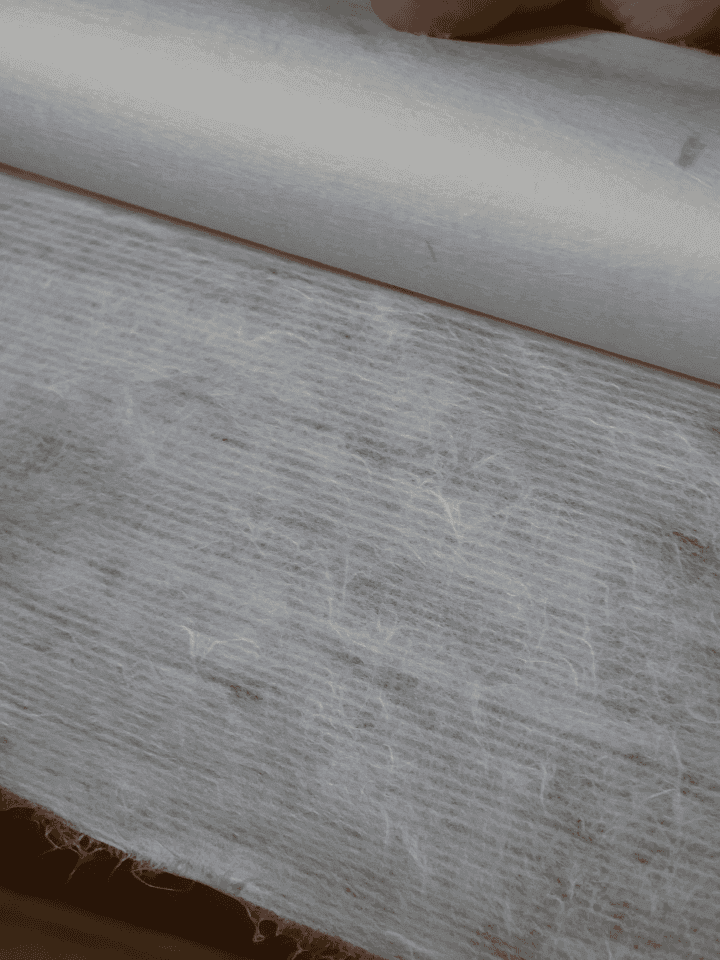
Korea's four distinct seasons give the paper mulberry tree (dak) remarkably strong, well-developed fibers. The strength of a paper that endures a thousand years comes from nature itself. It cannot be copied. This is why Goryeo paper, famed for its durability and smooth surface, was once treasured as one of the finest diplomatic gifts a kingdom could offer.
Our most viewed reel video on Instagram
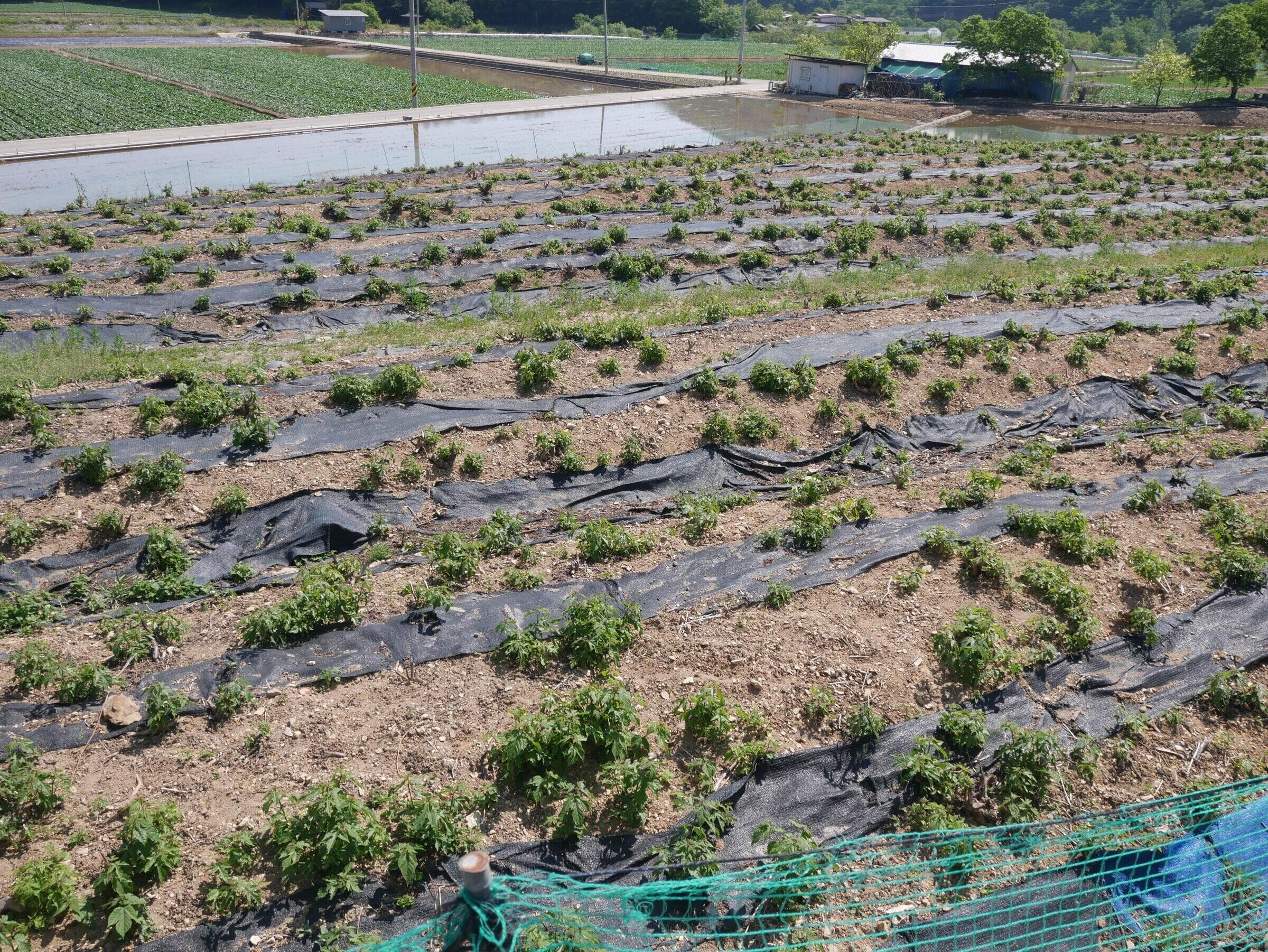
Hanji is also eco-friendly. Unlike ordinary paper, it doesn't require cutting down forests. It's made from the stems of one- to two-year-old mulberry trees. And its key ingredients, mulberry bark and hwangchokgyu (sunset hibiscus), which acts as a natural binder, are entirely natural materials that leave no pollution behind even when returned to the earth.
Part II
The Making of a Single Sheet
Of course, none of this is easy. The bark is stripped from young mulberry stems, soaked, and peeled until only the white inner bark (baekdak) remains. The baekdak is boiled to soften the fibers, beaten with wooden mallets to loosen them, and mixed with dakpul, a natural mucilage adhesive drawn from the root of the sunset hibiscus.
1 & 2. Bark peeling process
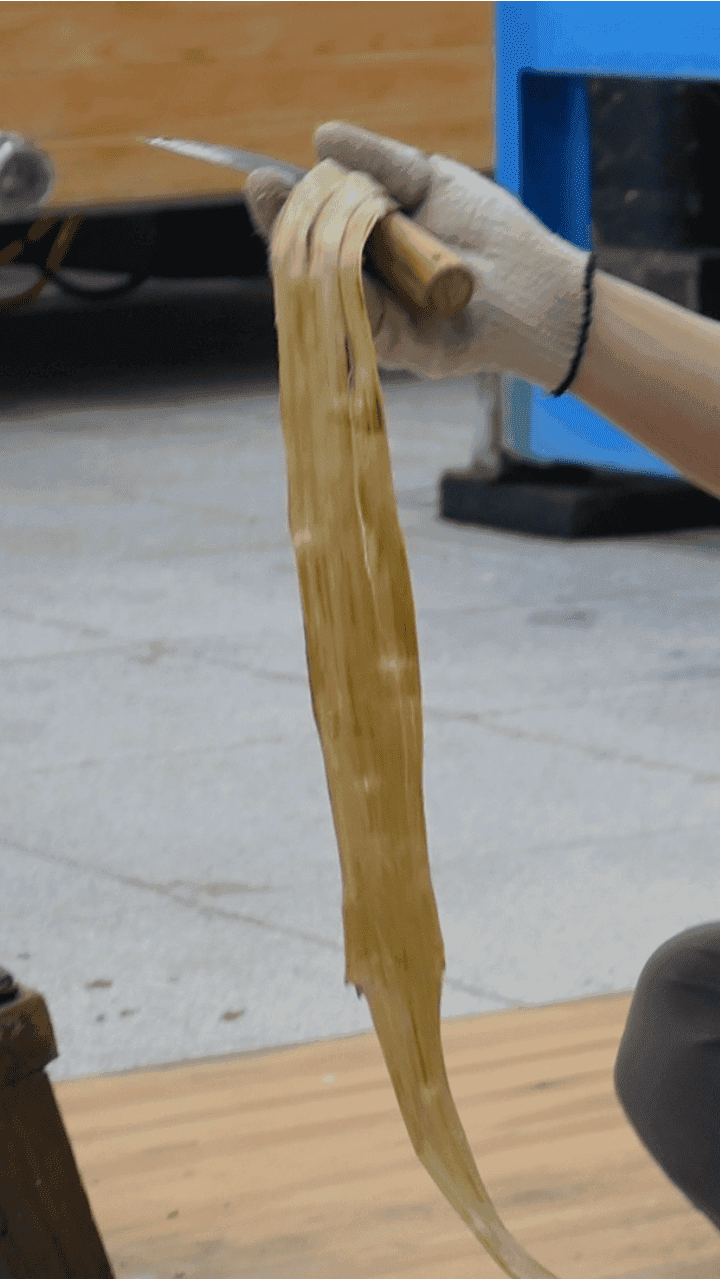
3. Pure baekdak
To make baekdak as part of the hanji-making process, the mulberry bark is peeled off. To ensure there are absolutely no impurities, this must be done entirely by hand.
From this fiber-rich vat, the papermaker scoops and sways the frame in the traditional single-screen method called oebal-tteugi, then dries each sheet. Only then is a single piece of hanji born. If you search for hanji-making, the iconic image you'll find is that scooping motion. But once you count every material and every step that comes before it, you can no longer call a sheet of this paper expensive.
Scooping raw fibers with the single-screen frame (oebal-tteugi)
Collected hanji sheets made with oebal-tteugi
Part III
The Hanji Artisans of Mungyeong
For this newsletter, we visited Mungyeong Hanji in Mungyeong, in Korea's southeastern province of Gyeongsangbuk-do, where the family makes traditional hanji using only natural materials and traditional methods, never chemicals. The workshop, surrounded by green mountains in every direction, is led by Samsik Kim, a holder of National Intangible Cultural Heritage, and his son Chunho Kim.
Hanji's exceptional durability has earned it a place in artifact restoration at the Louvre, and the hanji the Louvre chose was made right here, at Mungyeong Hanji. During our visit, Chunho Kim walked us through the meticulous, traditional process of how this world-renowned paper is crafted.
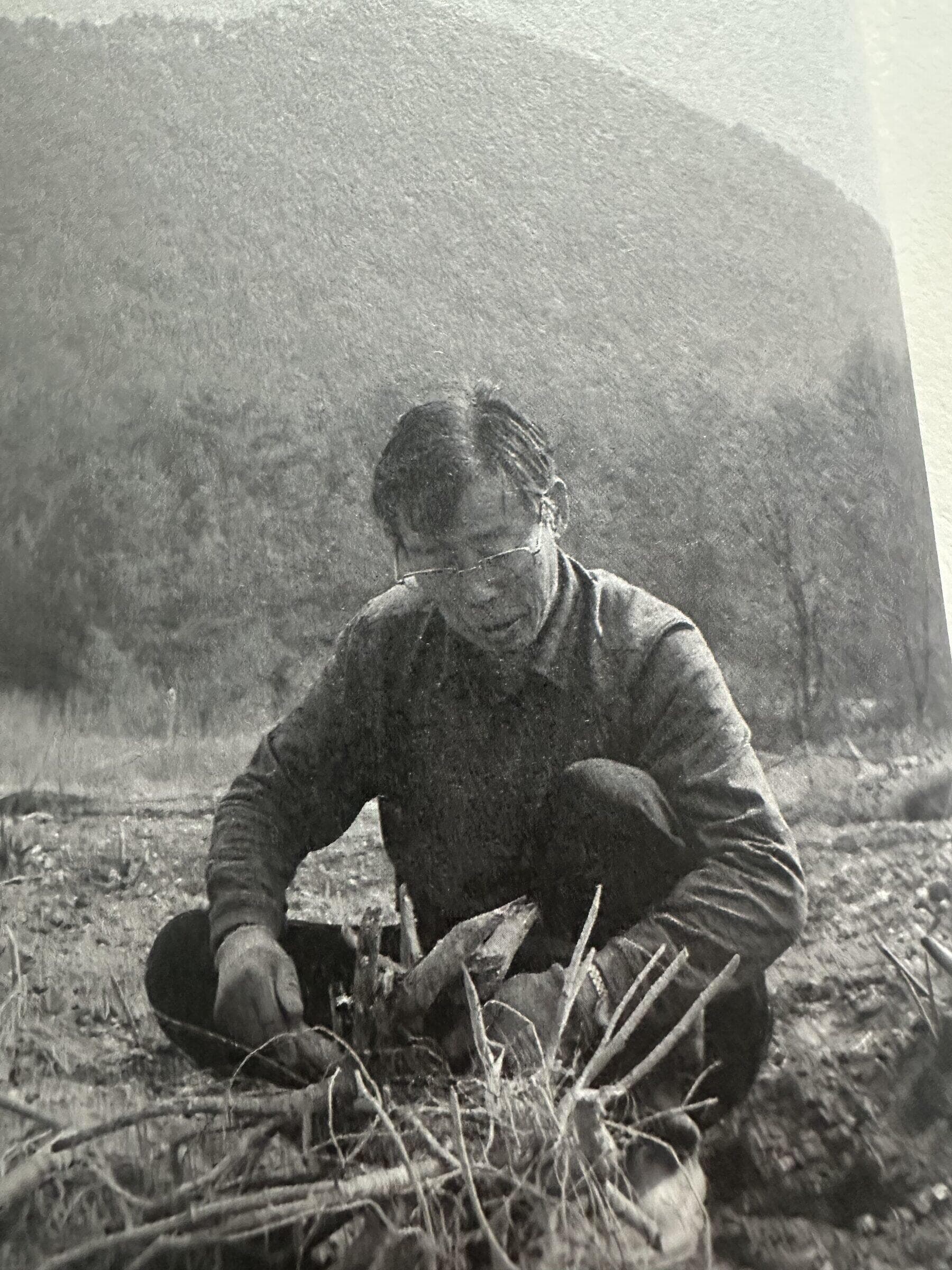
Samsik Kim, National Intangible Cultural Heritage Holder
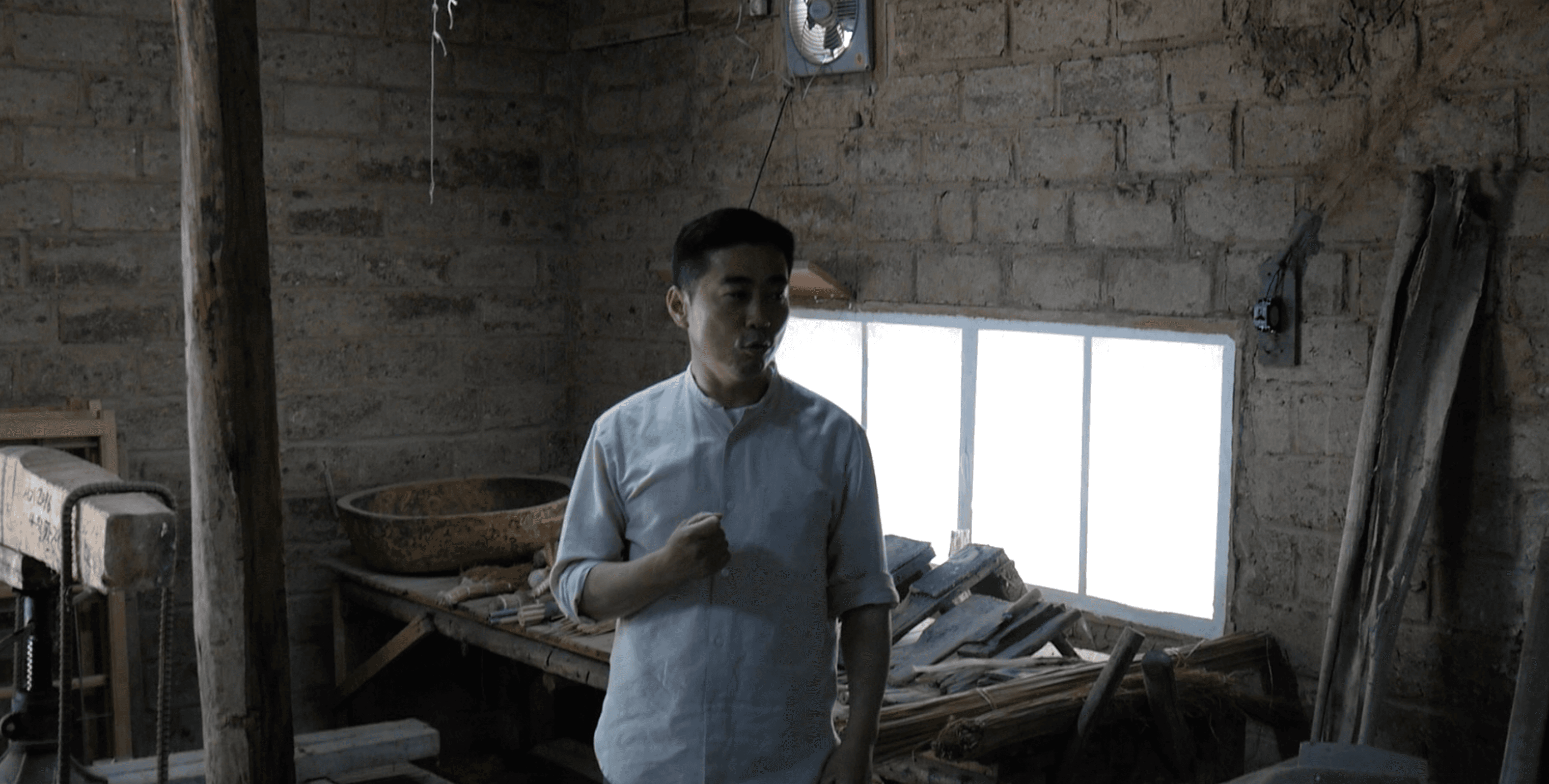
Chunho Kim, Gyeongsangbuk-do Intangible Cultural Heritage Transmission Educator
The work here is grueling. To make the most of the sunset hibiscus and to work in the season when the paper won't spoil, papermaking happens in the cold of winter. It's long been said that the finest paper is made in early spring, with water from freshly melted ice, water that leaves the papermaker's hands numb with cold.
Throughout our conversation, Chunho Kim kept returning to his father. Even now, he said, making hanji demands endless work and many hands. When he thinks of how his father did it all, quietly and under even harder conditions, he is in awe. At eighty, master Samsik Kim still works in the workshop. One can't help but bow one's head.
Together with a photographer, the artisans also published a book, Samsikjiso (三植紙所), documenting three years of the entire hanji-making process. The name means that true traditional hanji can only be made when three things are engraved deep in one's heart: tradition, conscience, and sincerity. It captures master Samsik Kim's spirit exactly.
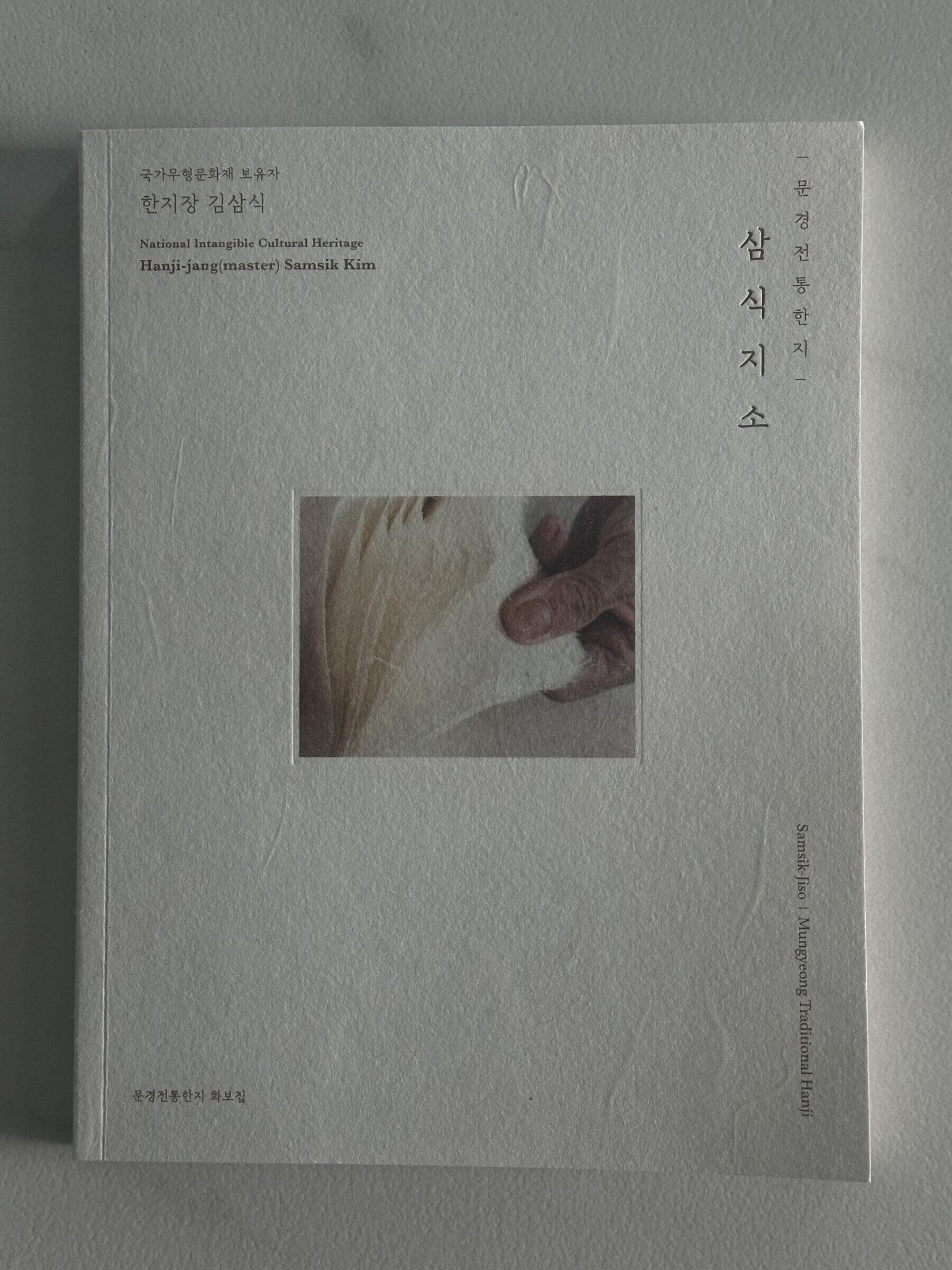
Samsikjiso book cover
Part IV
Beyond Preserving Tradition
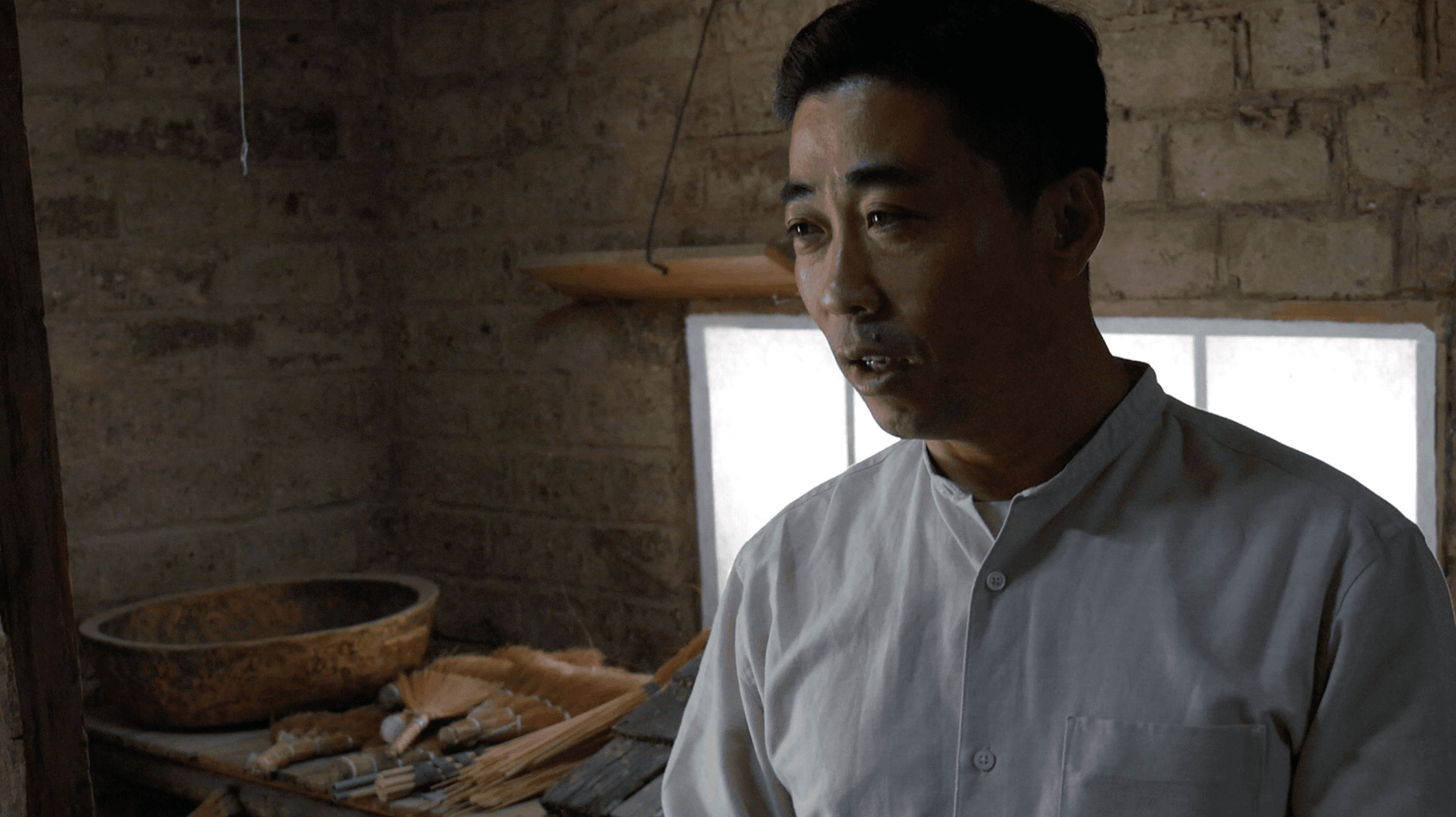
Chunho Kim at the Mungyeong Hanji workshop
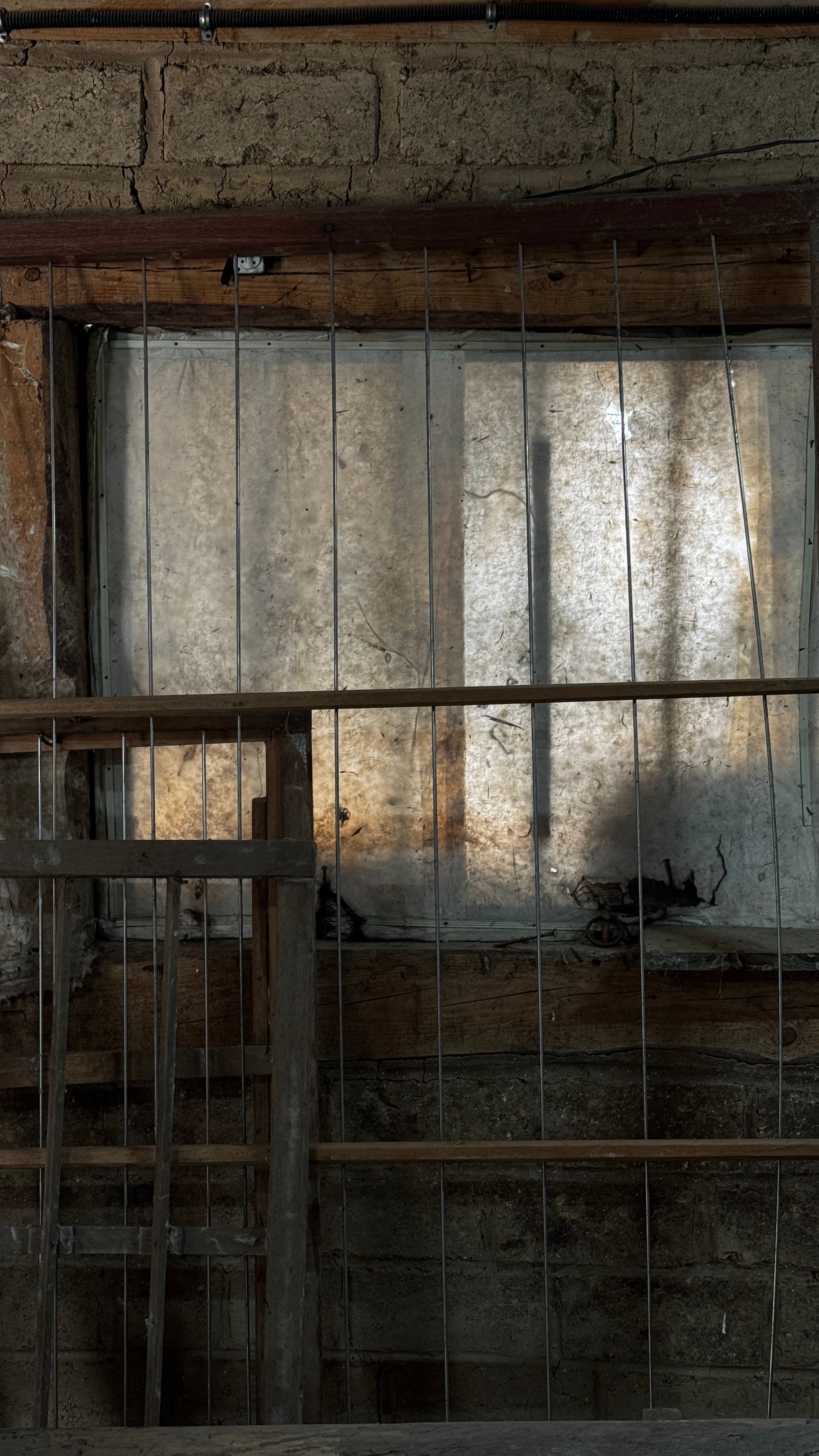
Workshop Moments
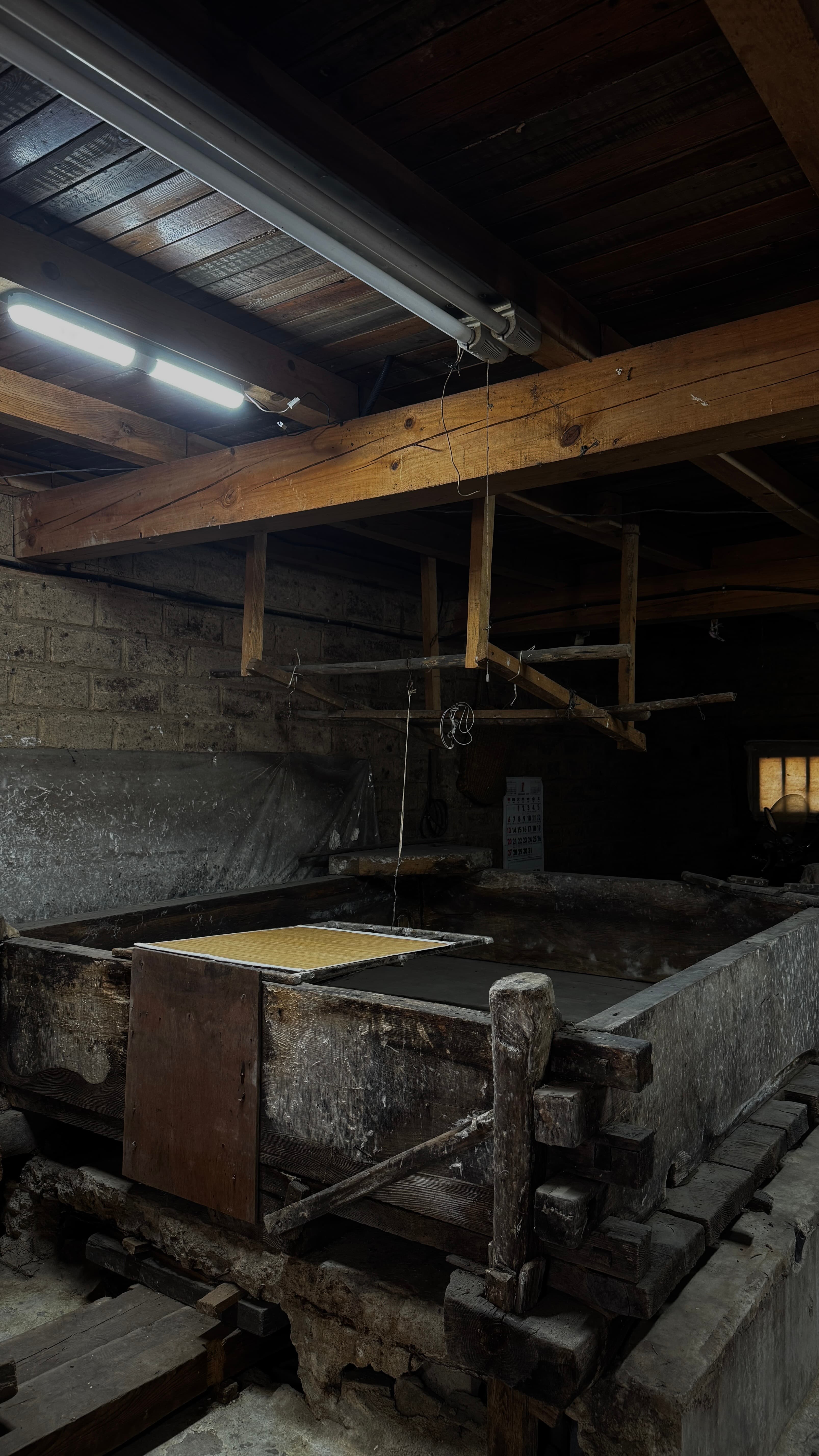
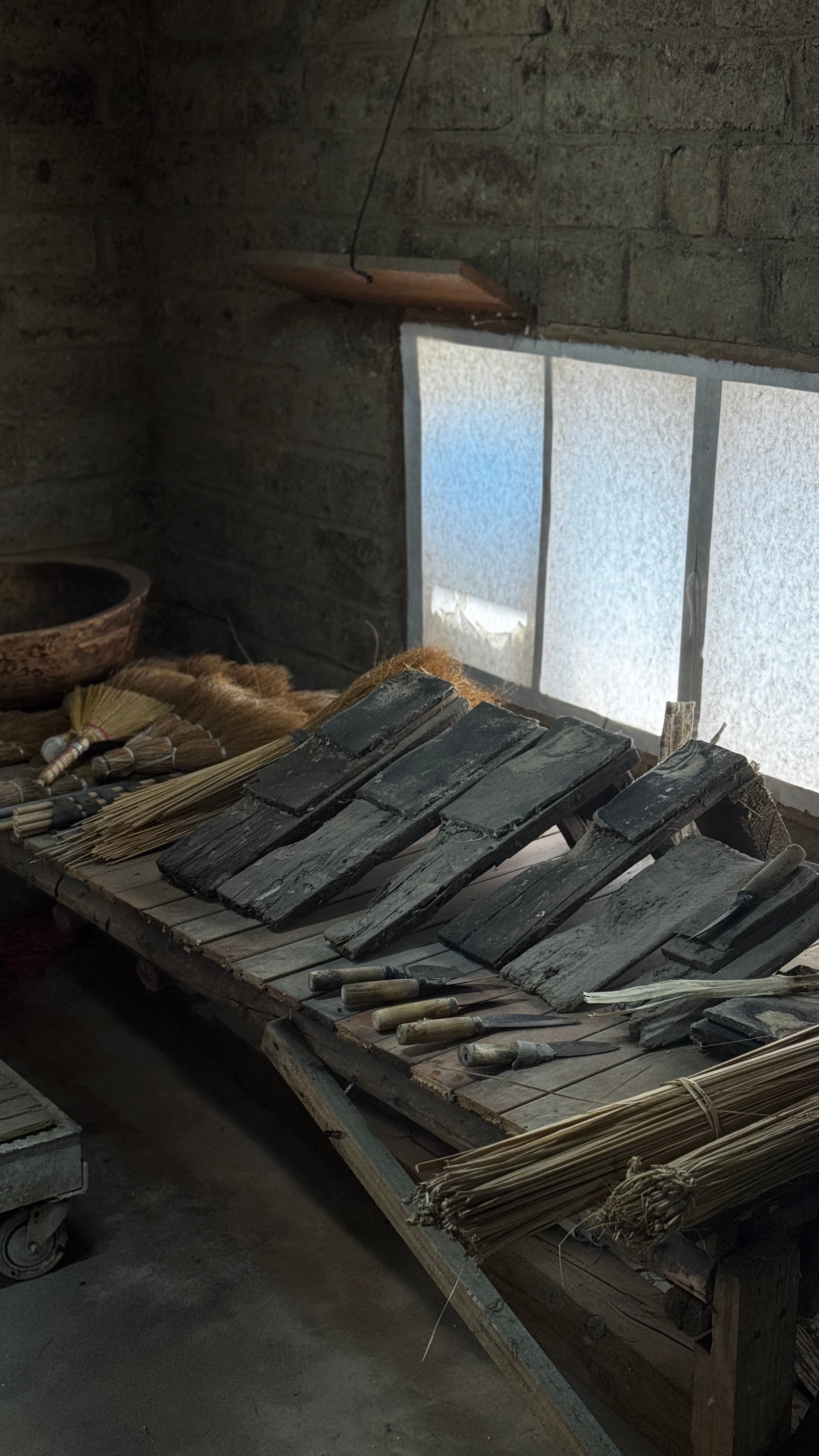
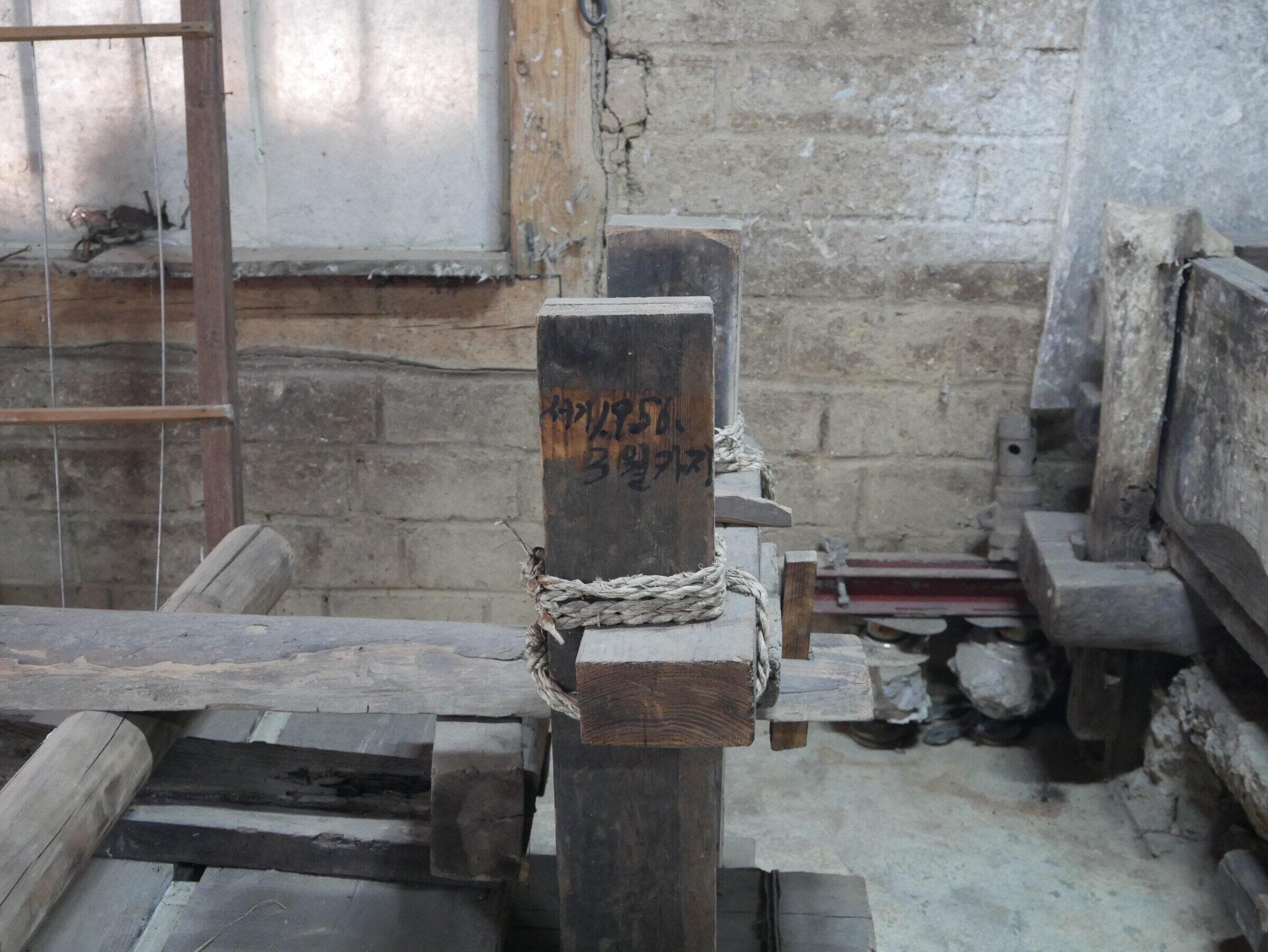
What made our visit to Mungyeong most meaningful was Chunho Kim himself. He has created and runs his own long-term training program to pass down traditional hanji-making. The way his eyes lit up when he spoke about hanji reassured us that this tradition is very much alive.
But he believes in going beyond simply preserving tradition: only when it is measured, documented, and systematized, he insists, can it truly be protected and recognized as a culture of the highest level. One of his papers is titled Effects of Cooking Liquors and Drying Methods on the Characteristics of Korean Traditional Paper, and he dreams of scholarly exchange with outstanding traditional paper artisans overseas.
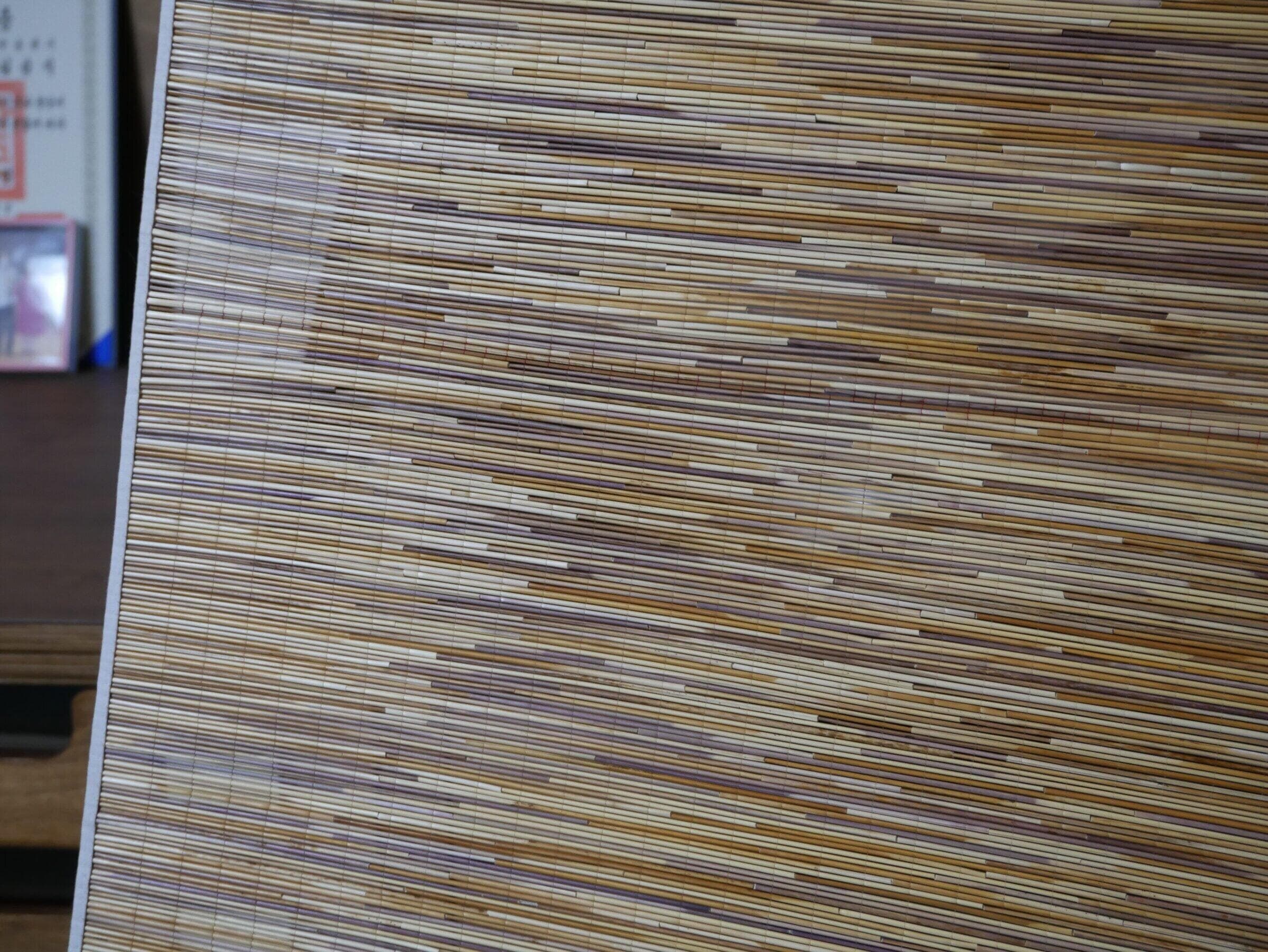
A bamboo screen (hanji-bal) used to form sheets of Hanji.
Traditional tools used in the papermaking process.
For Korean hanji to be recognized anywhere in the world, he said with conviction, Korean artisans themselves must first aim for the very best. And yet he worries about the artisans who are disappearing. While hanji masters are officially recognized, he was concerned that the craftspeople who make the tools of the trade, like the bamboo screens (hanji-bal) used to form each sheet, were not receiving sufficient support.
And because hanji's character changes with its maker and materials, there were once many papers, each with its own personality; those makers, too, are vanishing. What automation and chemicals have erased is not just a traditional method. It is the rich diversity of hanji itself that we are losing along with it.
Mungyeong Hanji Collection
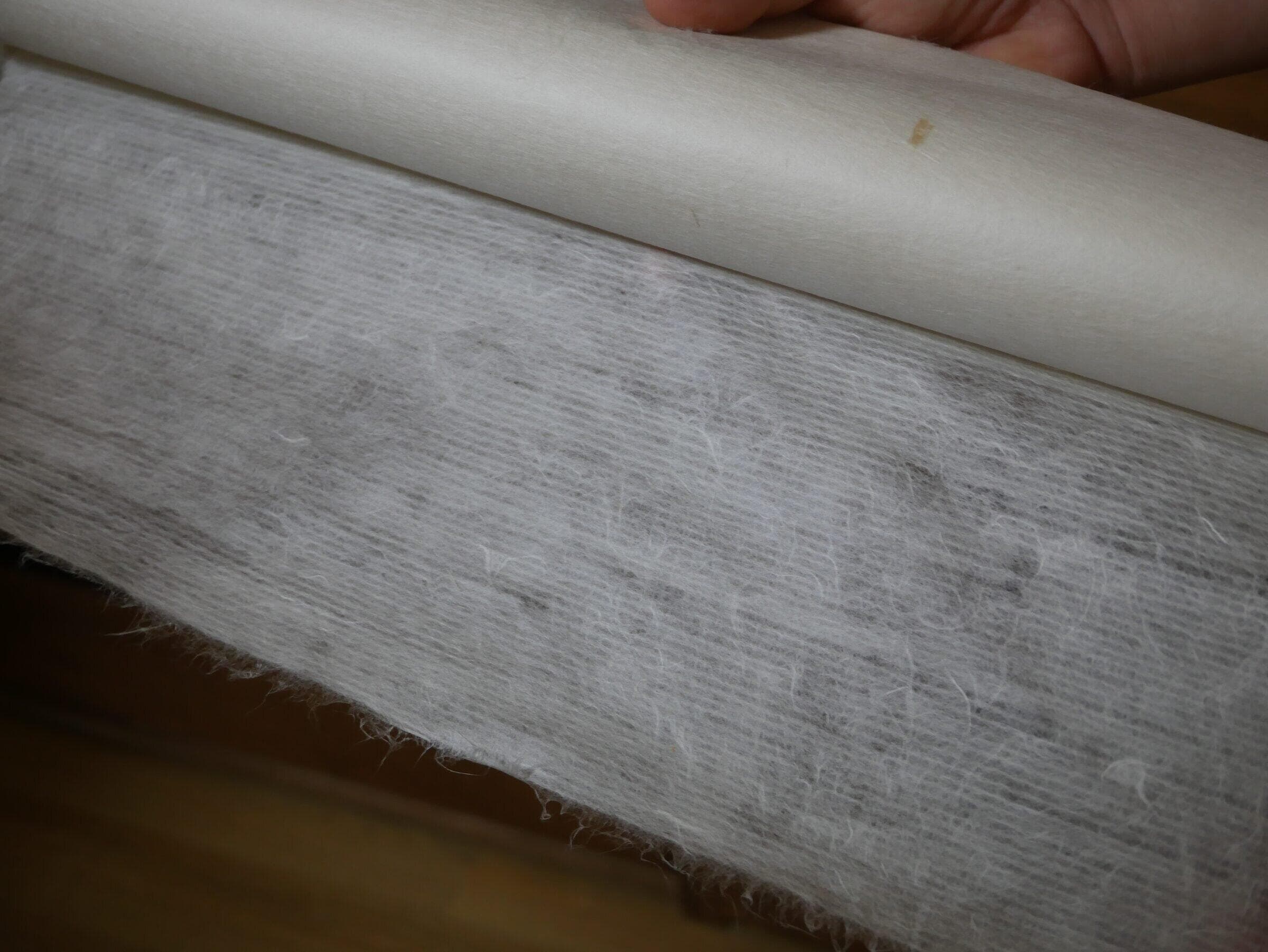
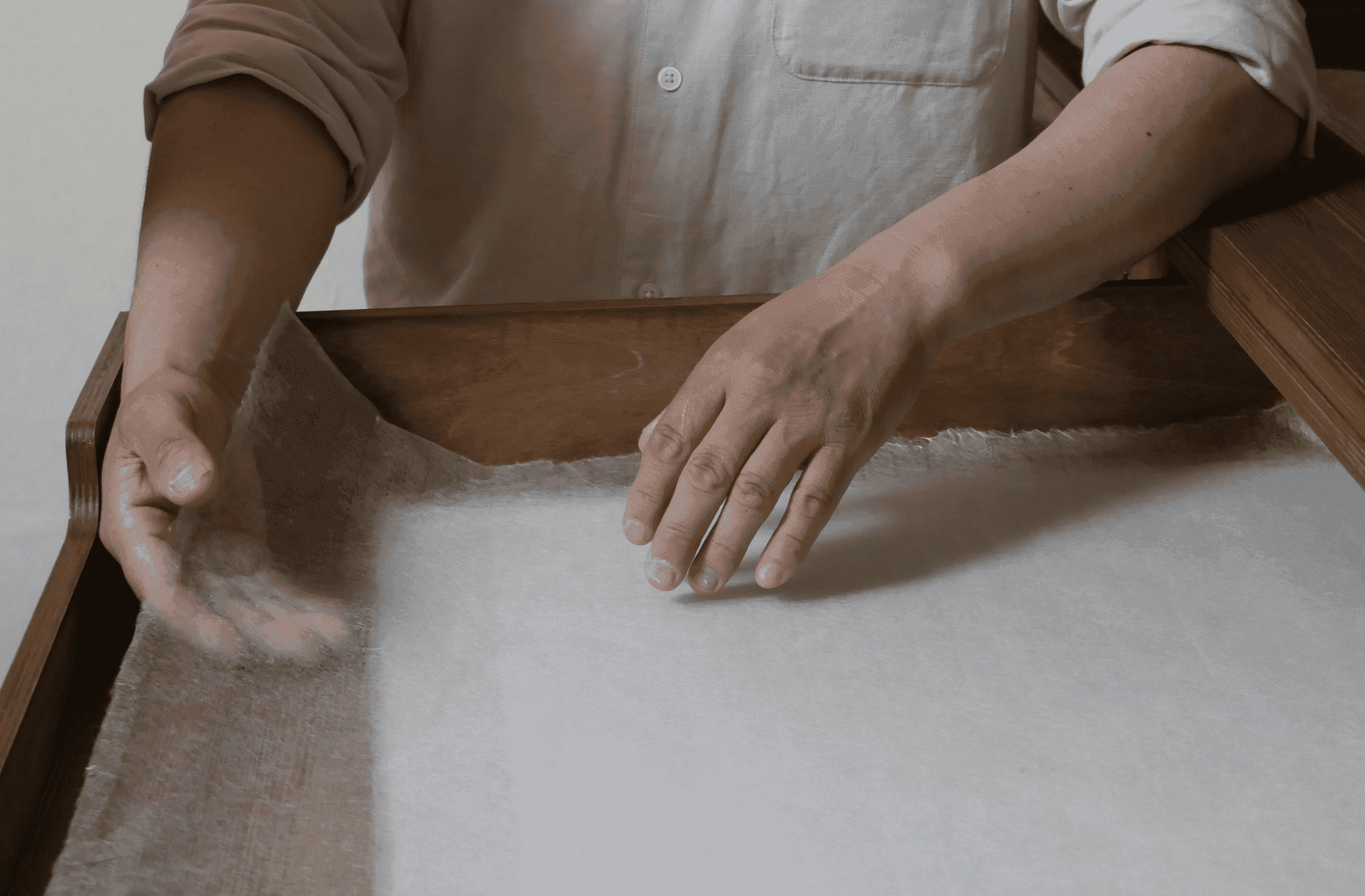
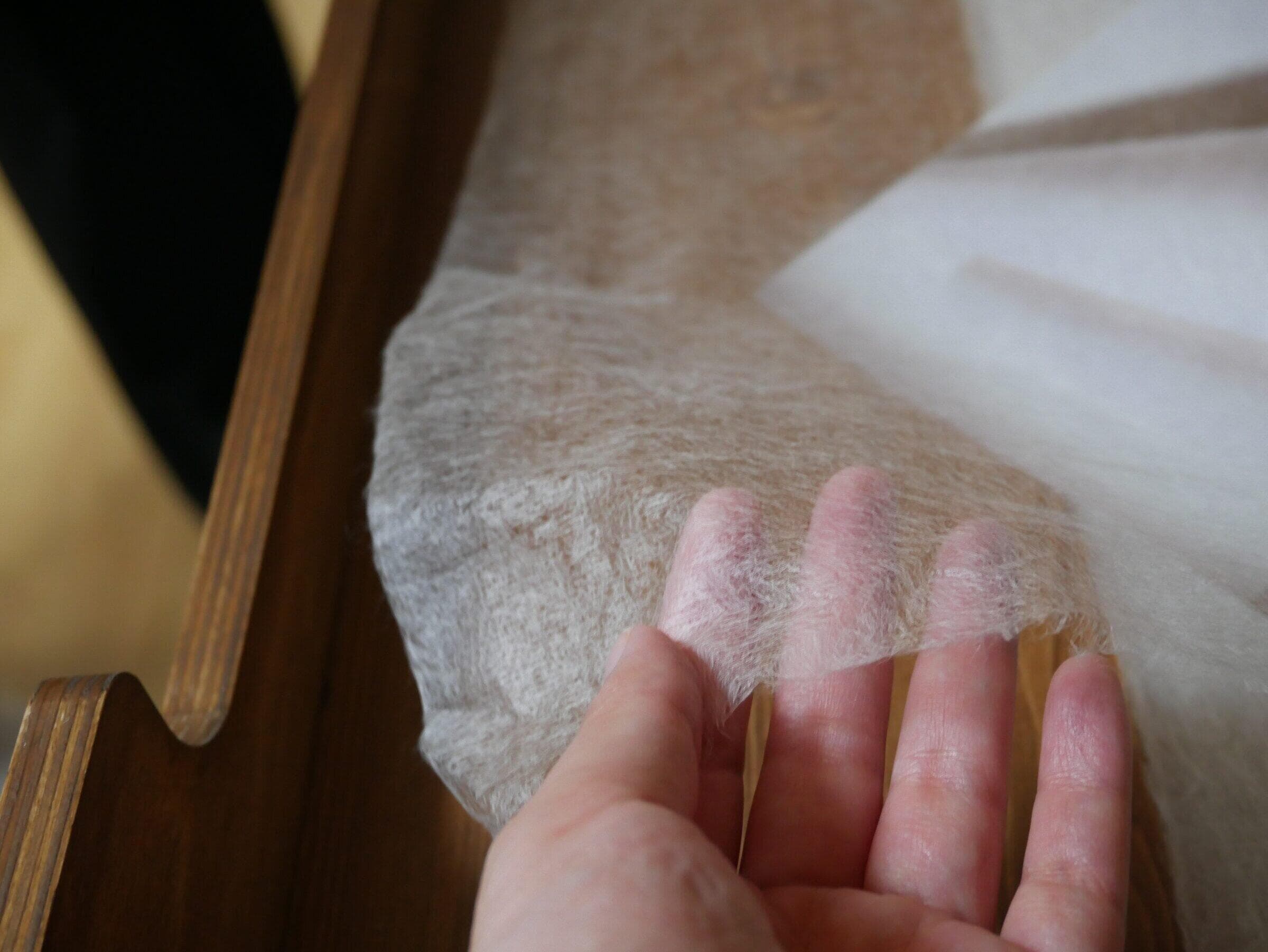
At their workshop, visitors can see and purchase the paper in person. A variety of thicknesses are available to suit each user's specific needs, including sheets so thin and delicate that it is hard to believe they are paper.
There were many years when cheap paper and shrinking demand threatened hanji's very survival. But his spirit, walking this path without a single chemical ingredient and holding to the belief that truly good things will always be sought out by those who know, is an inspiration in every way. That such a tradition still lives on moves us deeply.