Traditional Natural Dyeing
How a Green Plant
Became Korea’s Indigo Blue
Deep, vivid blue is not a color we often encounter in nature. In Korea, jjok (쪽), an ordinary-looking green plant, has long been used to create a rich indigo blue. Through water, lime, fermentation, air, and time, its green leaves can eventually produce this remarkable blue. There is something extraordinary about the knowledge behind drawing such a deep blue from green leaves.
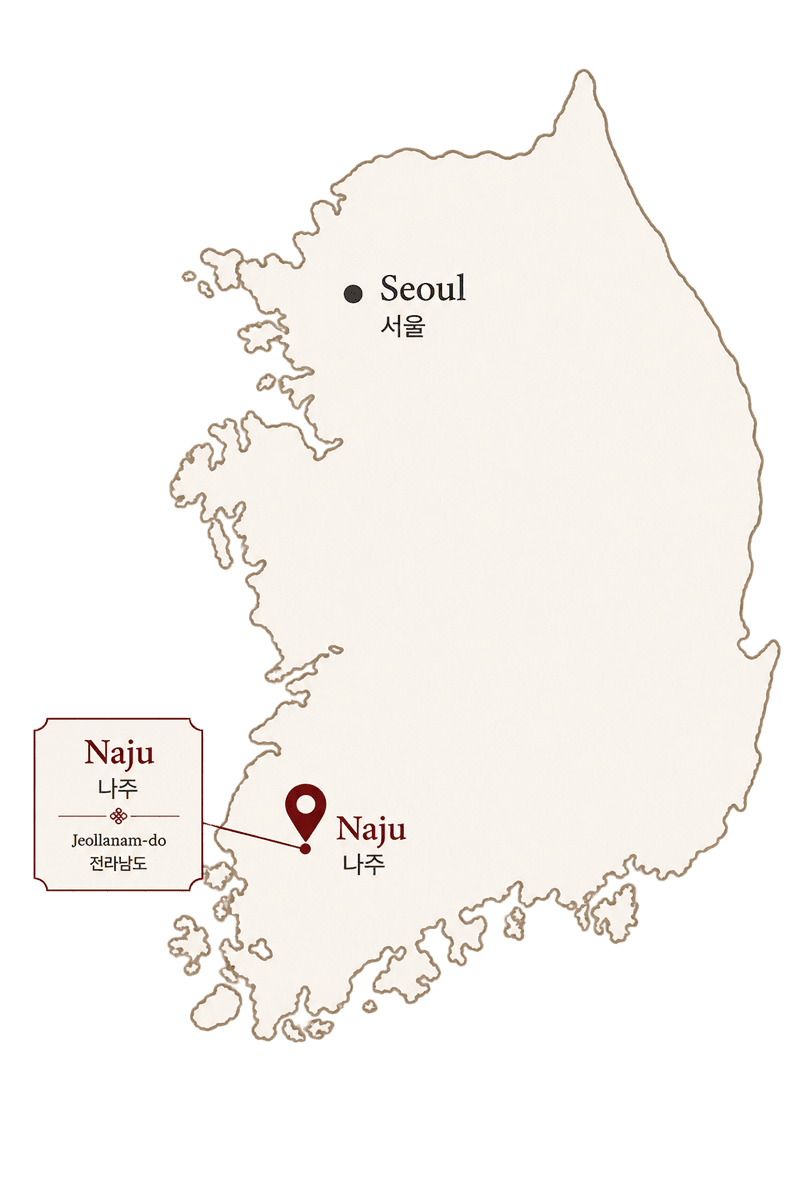
In Korea, Naju is especially known for its indigo dyeing tradition. The city lies along the Yeongsan River in South Jeolla Province.
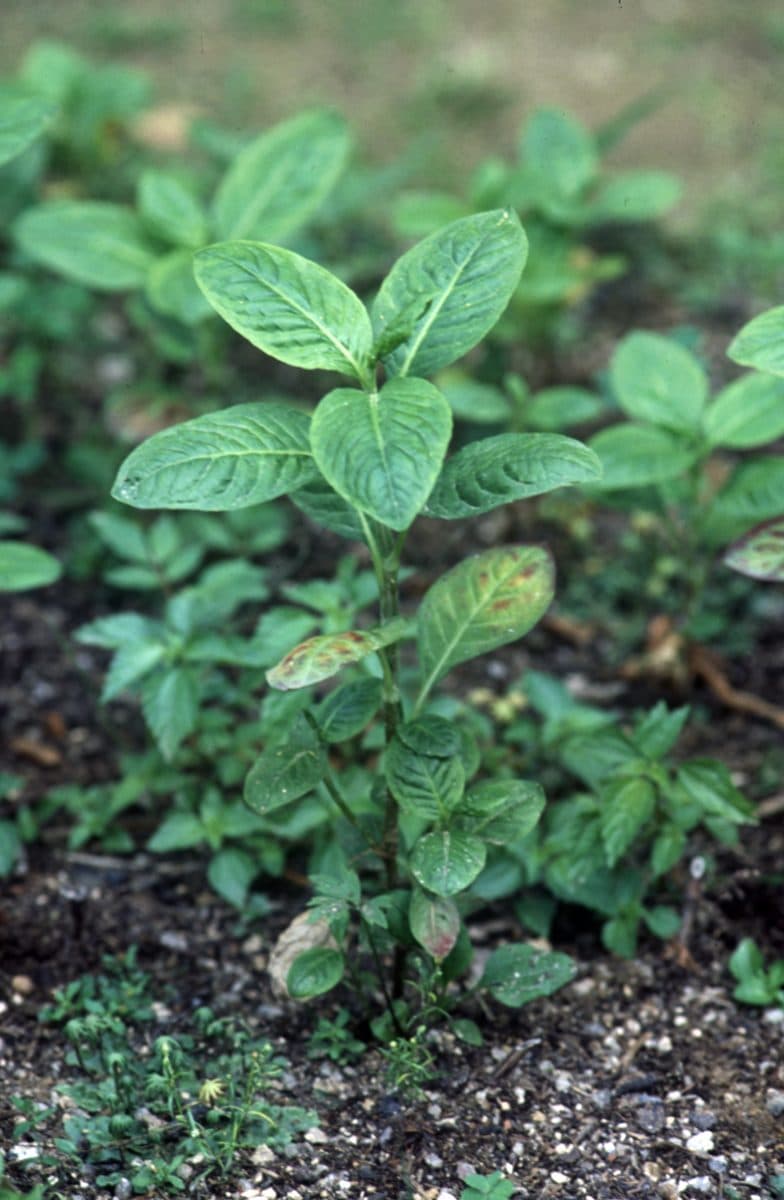
Source: Encyclopedia of Korean Culture
Landscape & Heritage
Why Indigo Dyeing Flourished in Naju
Naju has long been known for its indigo dyeing tradition. And there is a reason why this deep blue became so closely connected to this place. The Yeongsan River runs through Naju, and in the past, the region frequently experienced flooding during the summer monsoon season. In areas where growing rice was difficult because of floods, farmers planted jjok (쪽), or indigo, as an alternative crop.
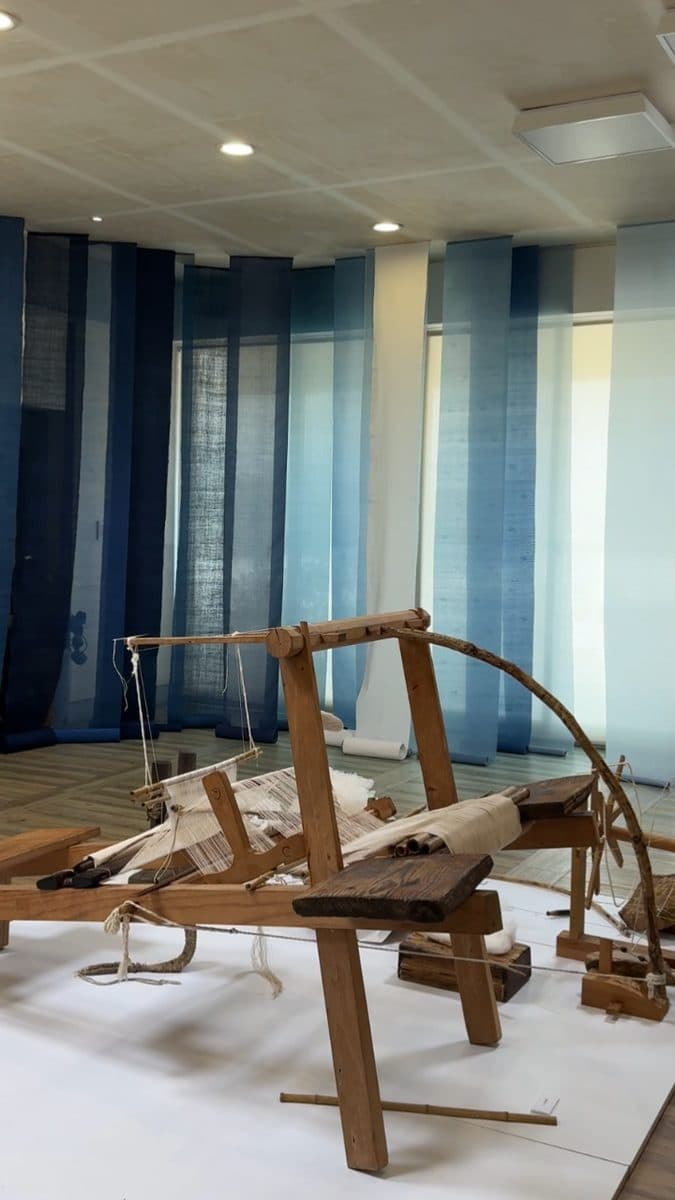
Seashells used in traditional indigo dyeing were available along the lower Yeongsan River. Oyster and cockle shells were burned at high temperatures to make lime, an essential material in the process. Interestingly, Naju also had a long tradition of cotton weaving. In Saetgol, cotton was grown, spun into thread, and woven by hand into mumyeong (무명), traditional Korean cotton cloth. This tradition is known as Naju Saetgollai (나주 샛골나이).
So in this small area, the plants that created the blue, the materials needed to make the dye, and a tradition of weaving cloth all existed together. Naju did not become a center of indigo dyeing by accident. For generations, the landscape and everyday lives of the people here shaped a distinctive culture of indigo dyeing.
Traditional indigo dyeing was interrupted for a time with the emergence of synthetic fibers and the Korean War. Since the late 1970s, efforts have been made to revive and continue the tradition. Today, traditional indigo dyeing is practiced once again, including here in Naju.
Materials and Process of Naju Cotton Weaving (Saetgollai)
The Process
Turning Green Leaves into Blue
Perhaps the most fascinating thing about indigo is that the blue is not immediately visible in the plant itself. The indigo plants growing in the fields are green. Turning those green leaves into the deep blue we recognize as indigo takes several steps and plenty of time.
In the traditional Naju method, indigo plants are harvested in summer and soaked in large jars of water. After the plants have steeped, they are removed, and lime traditionally made from fired seashells is added to the remaining liquid. The liquid is repeatedly stirred and exposed to air. Eventually, the indigo pigment forms and settles at the bottom. This concentrated indigo pigment is called niram (니람).
Materials Needed for Indigo Dyeing
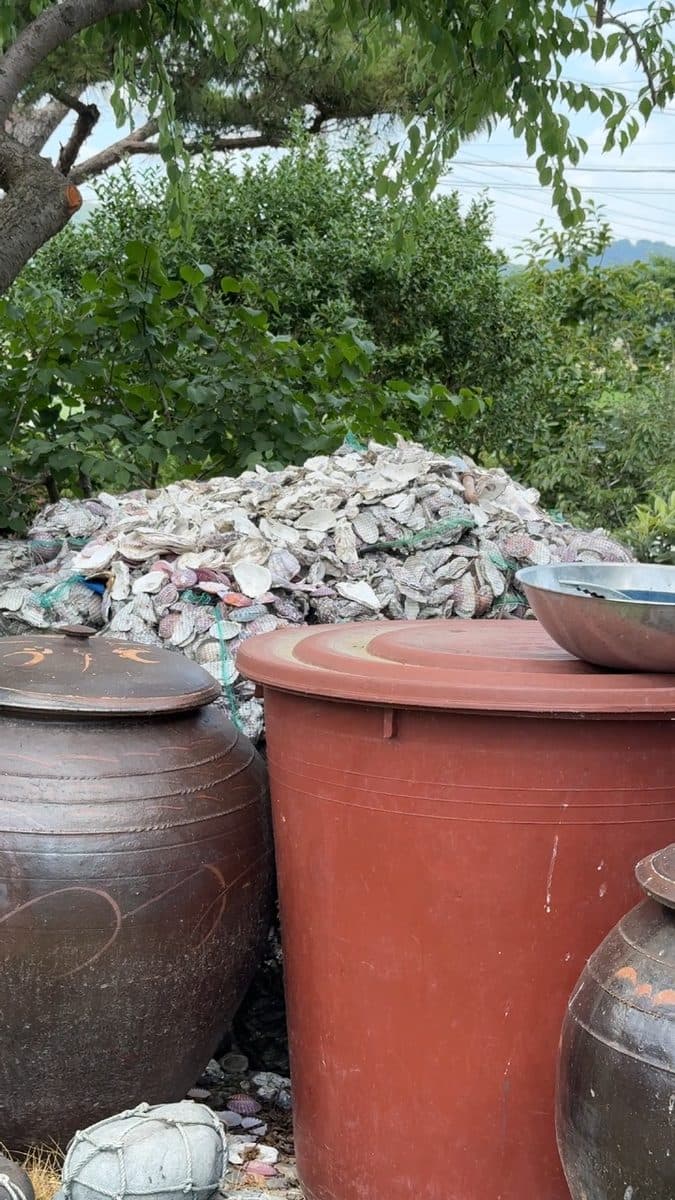
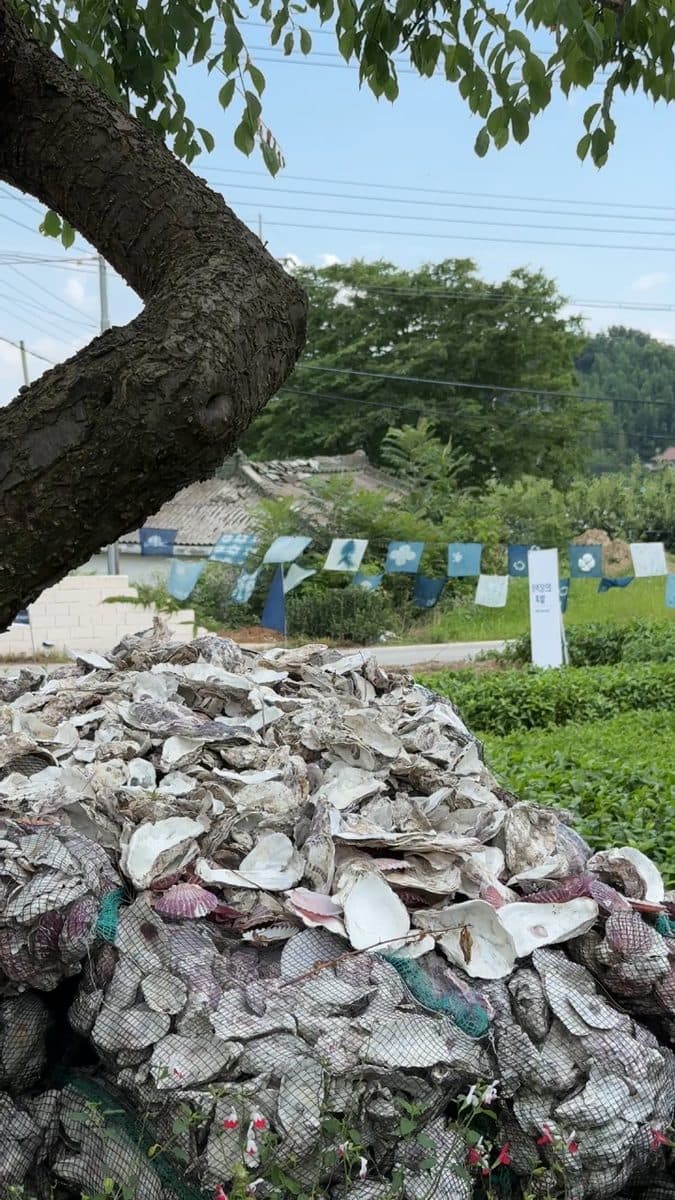
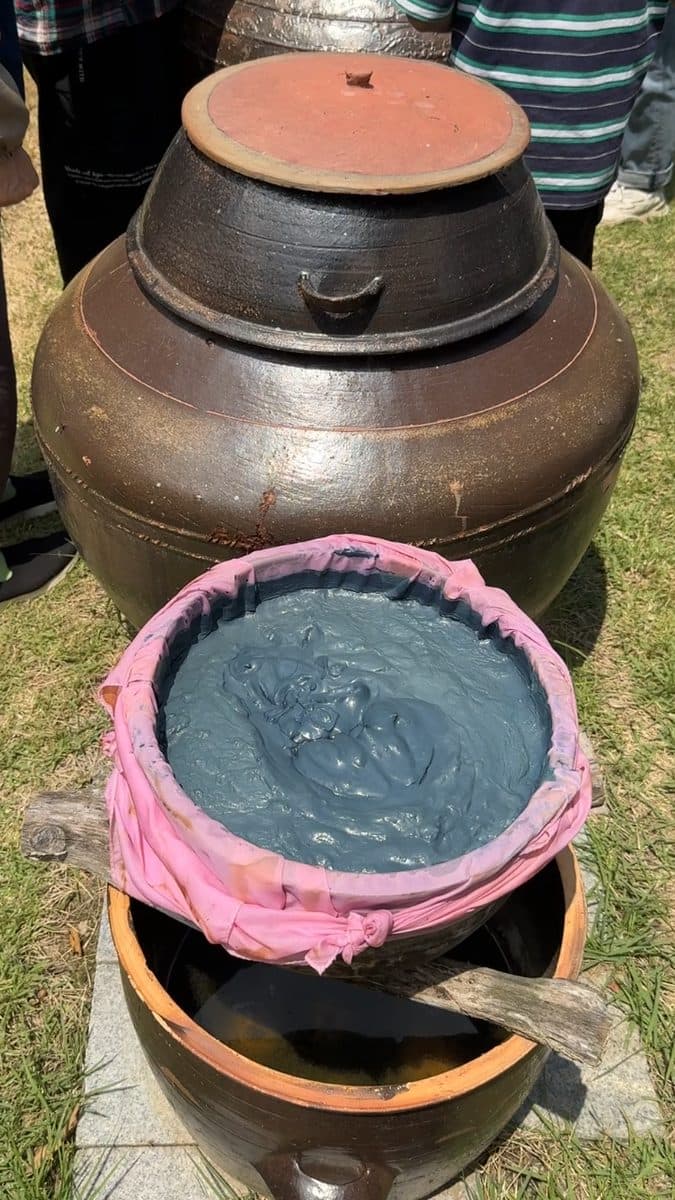
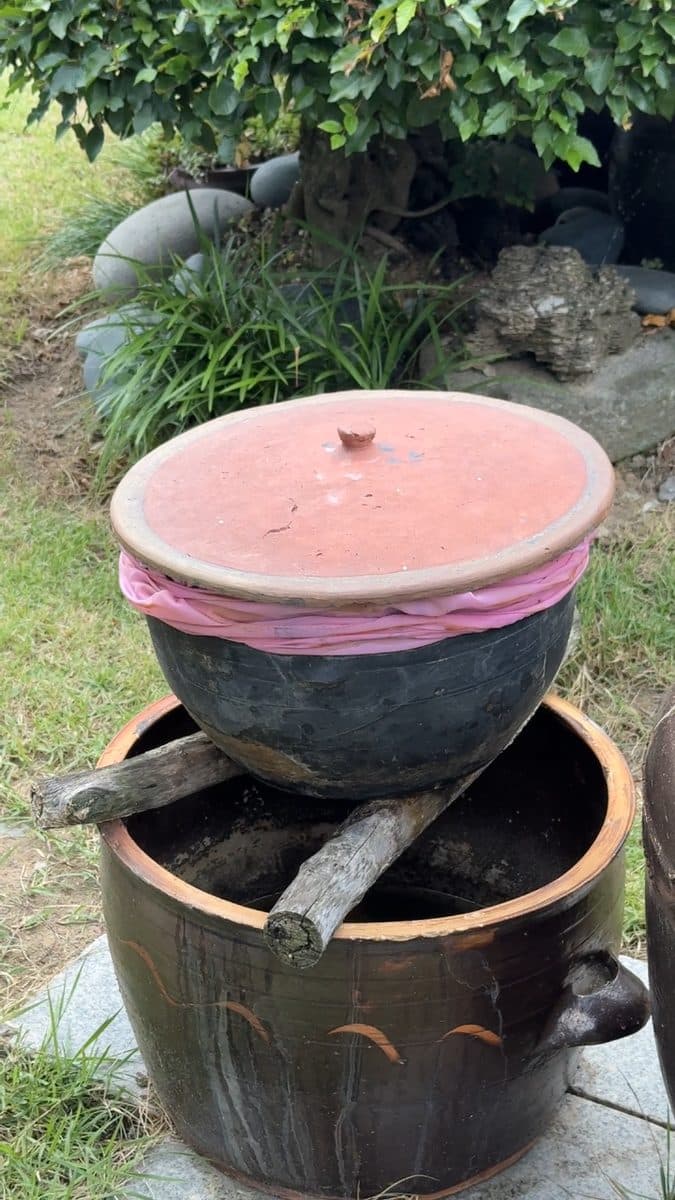
But niram is not yet ready for dyeing. It is mixed with alkaline water traditionally made from plant ash and left to ferment. As the dye bath ferments, bubbles and a distinctive layer of foam begin to appear on the surface. In Naju, preparing this fermented indigo vat is called kkotmul mandeulgi (꽃물 만들기), literally “making flower water.”
Once the dye bath is ready, the fabric can finally be immersed. And then something almost magical happens. The blue develops as the fabric meets the air. When the fabric first comes out of the vat, it can appear pale and greenish. But as it meets the air, it gradually begins to turn blue.
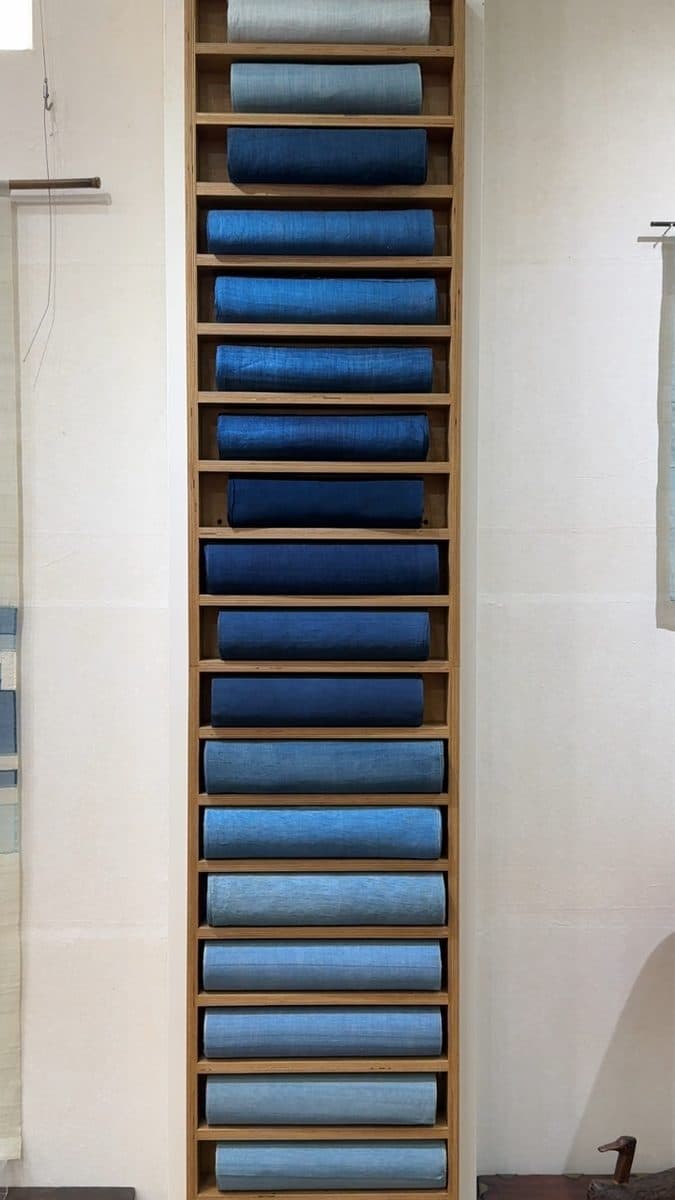
The fabric is dipped into the vat again, taken out, and exposed to air once more. By repeating this process, the blue becomes deeper and richer. This is what makes traditional indigo dyeing so fascinating. The artisan has to watch the condition of the dye and know when it is ready. Creating the color also takes time. The plants must be grown, the dye fermented, and the process carefully watched and waited for.
Preserving Tradition
Keeping Naju’s Indigo Blue Alive
Scarf Dyeing Workshop with Jung, Kwan Chae
For a tradition that once came close to disappearing, the blue of Naju is remarkably alive today. In 2001, Yeomsaekjang (Natural Dyeing), the traditional craft of dyeing textiles with natural dyes, was designated as a National Intangible Cultural Heritage of Korea. Naju is home to Jung, Kwan Chae, a holder of Yeomsaekjang (Natural Dyeing). He has spent decades reviving, preserving, and passing down traditional indigo dyeing techniques.
At the Jung, Kwan Chae Training Center in Naju, the tradition is not simply preserved as something from the past. Indigo is grown, dye is prepared, fabrics are dyed, and the techniques are taught to new generations. His son, Jung, Chan Hee is also continuing the tradition.
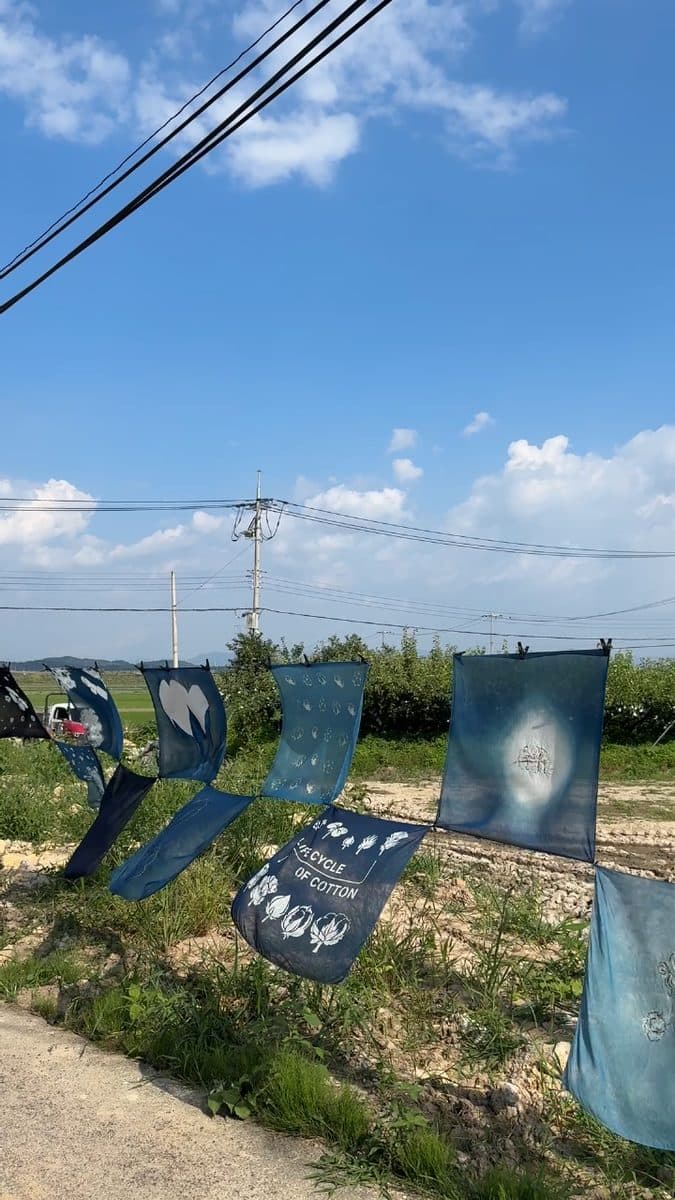
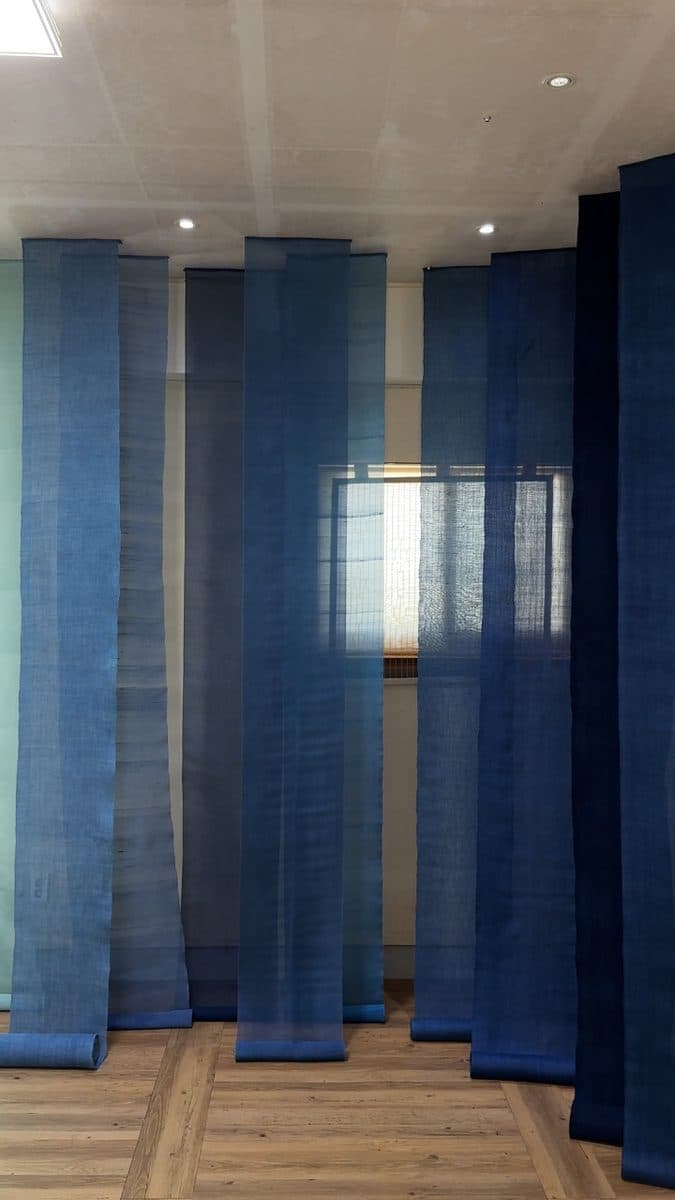
This year, the Saetgol Indigo Dyeing Festival (Saetgol Heritage) was held here from June 26 to 28. The festival brought together indigo dyeing and Saetgollai cotton weaving, two traditions that have long been part of Naju. Visitors could see traditional textile crafts and also try indigo dyeing for themselves.
Festival & Museum Heritage Gallery (Swipe / Scroll to view all)
Epilogue
A Color Made by a Place
It is not simply a blue color. It is a color made by a place.
The Yeongsan River, the cotton of Saetgol, green indigo plants, seashells, fermentation, air, time, and generations of human hands all come together before that deep blue can finally appear on a piece of fabric.
And today, in Naju, that blue is still being made.
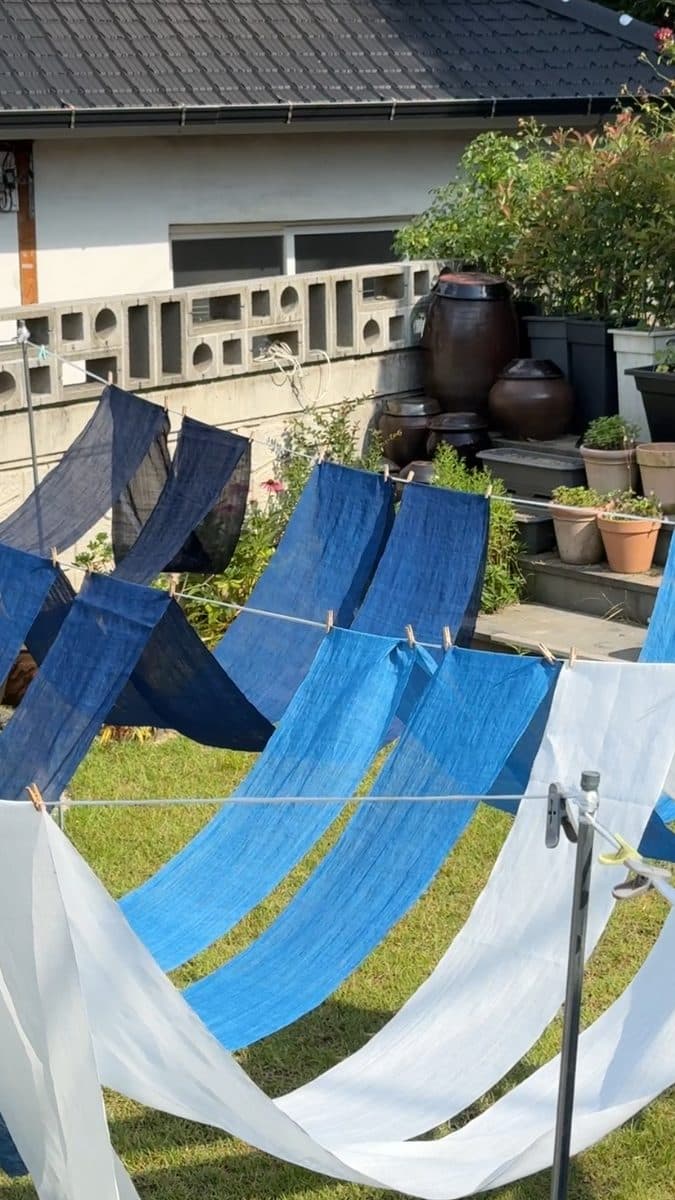
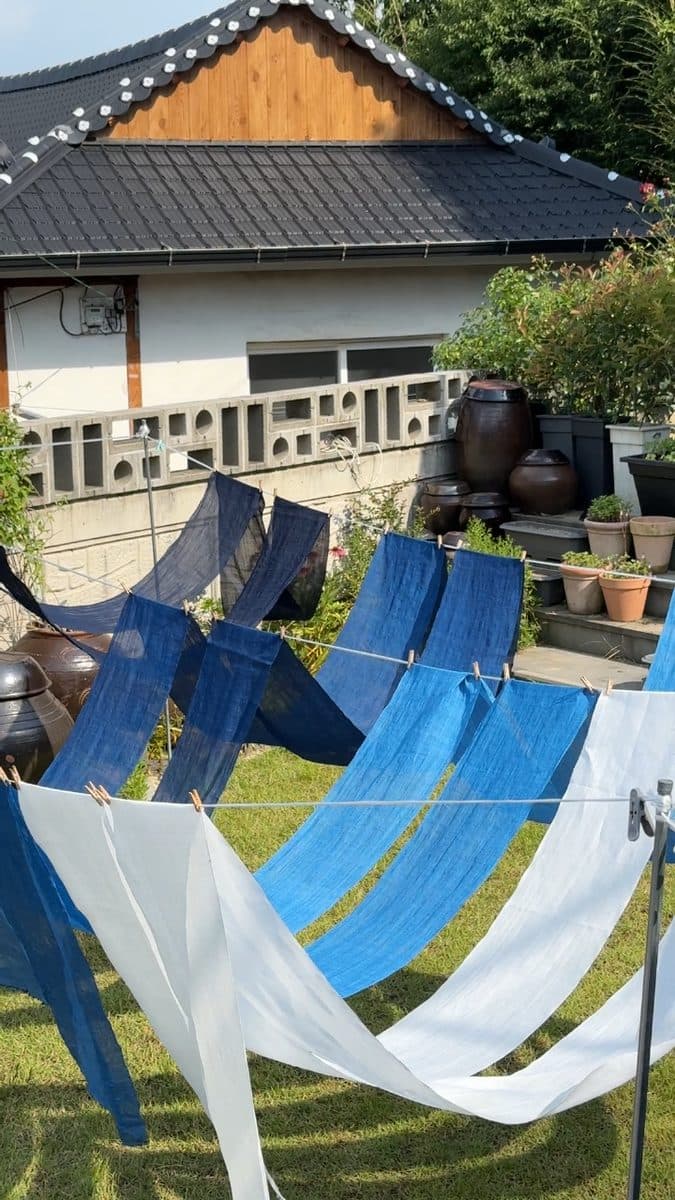
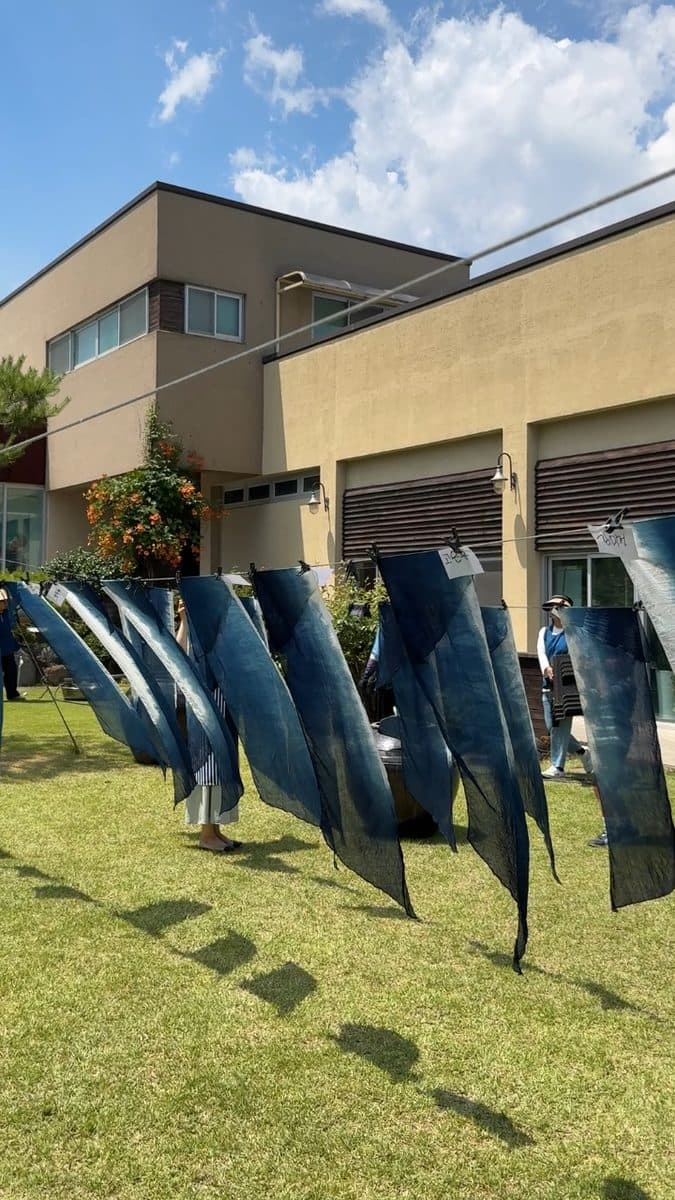
Finished indigo blue cloth in Naju breeze